
Napier is a coastal city in Hawke’s Bay, New Zealand. It is known for its sunny weather, relaxed lifestyle, and famous Art Deco buildings. The city also has a strong wine culture, beautiful beaches, and friendly people. Many people choose to live in Napier because it offers a good balance between work, free time, and nature. Before planning your budget or relocating to Napier, it is essential to understand the cost of living there. This 2026 guide explains the average cost of living in Napier, including housing, utilities, groceries, transport, healthcare, childcare, education, and entertainment. It also shares simple tips to help you save money while living in the city.
Overview: Napier as a Place to Live
Napier has combined affordable living with the natural beauty of its coastline. Furthermore, compared to New Zealand’s most significant cities (Auckland & Wellington), Napier has lower median house prices and lower population density, making it a desirable place to live for Families, College Students, and Retirees. Residents have access to good educational institutions, hospitals, and parks while living a slower-paced lifestyle that offers ample opportunities for Outdoor Activities, Community Events, and cultural festivals.
A single person living in Napier can expect to pay less for living expenses each month than in a large city. However, the exact costs will vary depending on how one chooses to live their life. A resident who budgets responsibly will be able to continue enjoying a comfortable lifestyle while occasionally participating in restaurants, activities, and travel without going into debt.

1. Housing and Rent in Napier
Most Napier residents spend a huge share of their income on housing. The rent price depends on the unit’s size and its location, whether in the city or the suburbs. Apartments located in Napier’s downtown core are ideal for convenience, but they tend to be much pricier than apartments in the suburbs or shared apartments.
Monthly Rent Estimates (2026):
- 1-Bedroom Apartment (City Centre): NZ$800-NZ$1,300
- 1-Bedroom Apartment (Outside Centre): NZ$600-NZ$1,000
- 3-Bedroom Apartment (City Centre): NZ$1,400-NZ$2,000
- 3-Bedroom Apartment (Outside Centre): NZ$1,100-NZ$1,700
For those considering purchasing real estate, the median cost of a home in Napier is approximately NZ$590,000. Many suburbs, such as Tamatea and Onekawa, are considered far less expensive than homes along the coast or near the city centre. In addition to the above, renting a shared unit and downsizing to a smaller apartment can significantly help you lower your monthly expenses while still maintaining a comfortable lifestyle.

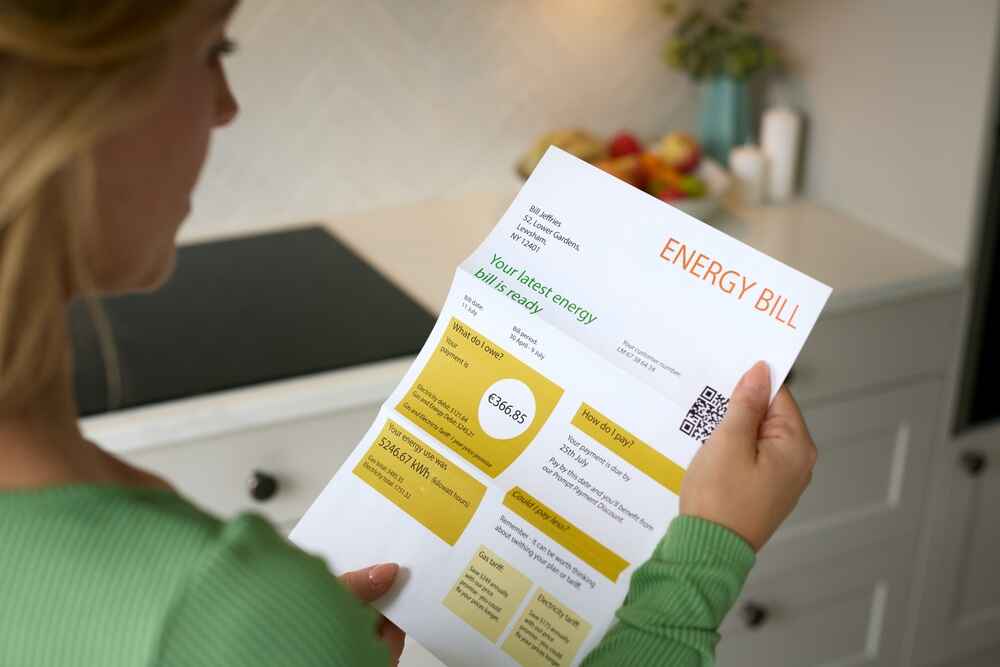
2. Utilities (Electricity, Internet, Phone, Water)
Household utilities are an essential part of living comfortably. However, they can vary significantly from one person to another depending on the size of the household, how much they use, and the season in which they live. Electric bills, for example, generally increase during winter when people are attempting to heat their homes. Many people will observe that water, internet, and mobile phone plans remain constant throughout the year.
Average Monthly Utility Costs:
- Electricity and Heating: NZ$150-NZ$250
- Water: NZ$20-NZ$25
- Internet (Unlimited): NZ$40-NZ$60
- Mobile Phone Plan: NZ$30-NZ$50
A resident may reduce their electric utility costs by using energy-efficient appliances, unplugging devices when not in use, and bundling their internet and phone plans. Furthermore, making simple lifestyle changes, such as wearing more clothing in the house or adjusting how you heat and cool your home, can have a very positive impact on your electric bill.
3. Groceries and Food Costs
In Napier, groceries will cost you about the same wherever you shop. Grocery stores, supermarkets, farmers’ markets, and speciality stores will offer a mix of foods (fresh produce from New Zealand and imported products). Fresh produce is usually cheapest when it is in season, and imported products tend to be more expensive than local ones. If you plan on cooking at home more often than eating out, your grocery bill will be less than that of those who eat out frequently.
Average Grocery Prices:
- Milk (1 L): NZ$1.50-NZ$2.00
- Bread (0.5 kg): NZ$1.80-NZ$2.50
- Eggs (12): NZ$6-NZ$
- Chicken (1 kg): NZ$8-NZ$12
- Apples (1 kg): NZ$3-NZ$4
Eating Out:
- Mid-range restaurant meal: NZ$20-NZ$35 per person
- Coffee: NZ$4-NZ$6
- Fast food combo: NZ$10-NZ$15
The amount a person spends on groceries per month ranges from NZ$400 to NZ$700, depending on the individual’s dietary habits. For families, food costs tend to be higher than for single people, particularly if they have children. Shopping at a Local Farmers’ Market or other Local Produce stores can reduce the overall cost of groceries while supporting local farmers and providing consumers with fresh produce grown locally.

4. Transportation Costs
Due to Napier’s smaller size and population, transportation is much more affordable than in larger metropolitan areas. Public buses are very dependable, so many people walk or use a cycle for reasonably short distances. Although having your own vehicle may be convenient, there are various ongoing costs associated with owning one. Along with paying for your vehicle insurance and fuel costs, you must also pay for periodic maintenance of your car and any parking expenses that you incur during the month.
Typical Transport Expenses:
- One-way Bus Ticket: NZ$2
- Monthly Public Transport Pass: NZ$45-NZ$60
- Petrol (1 L): NZ$1.50-NZ$1.80
- Taxi Start: NZ$3-NZ$5
- Taxi (per km): NZ$1.50-NZ$2.00
For families or professionals who commute every day, owning a car may be essential, whereas for a student or single resident, public transport or a bicycle may be more cost-effective. Additionally, when relocating to Napier, hiring professional Furniture Movers Napier can make moving large items easier and more efficient, reducing stress and potential damage to your belongings.
5. Healthcare and Insurance
Napier provides access to high-quality public health services. If residents wish, they may use the public system for basic health care or purchase private health insurance to have faster access to specialists and choose elective procedures.
Typical Healthcare Costs:
- Private Doctor visit: NZ$30-NZ$50
- Pharmacy or medications: NZ$5-NZ$15
Additionally, purchasing health insurance not only provides long-term cost savings but also adds a degree of security and peace of mind in the event of accidents or serious illness. By receiving preventive care and regular checkups and getting the right medical care when you need it, you will avoid worrying about unexpected hospital bills.
6. Childcare and Education
The costs of childcare and education can be significant monthly expenses for families. Although there is a range of fees charged by different preschools and kindergarten centres, the costs for private and international schools are generally at the high end of the range. Public schools do not charge for tuition; however, families may incur additional costs for uniforms, textbooks, and extracurricular activities.
Typical Costs:
- Preschool/Kindergarten (monthly): NZ$700-NZ$900
- Private/International School (annual): NZ $10,000+
Before registering for any educational opportunity, it can be beneficial to research and examine several different options based on their other costs, which will ultimately provide you with access to a greater range of options for higher-quality education at lower prices. For instance, by taking advantage of both public and private (part-time) schools, many parents can afford to provide their children with a quality education while managing their family’s finances.
Read More: Auckland Cost of Living: Rent, Bills, Transport & More
7. Entertainment and Leisure
Napier offers a wide range of activities, so there is something for every age group. Whether you are looking for beaches, parks, or cultural experiences, there are plenty of options available at an affordable price.
Typical Costs:
- Cinema ticket: NZ$12-NZ$15
- Gym membership: NZ$30-NZ$50 per month
- Outdoor activities: Mostly free
Napier offers many free entertainment options to help you soak up the city’s unique charm and get the most from your visit. Some of these include visiting local wineries, taking a scenic stroll along Marine Parade, and participating in year-round festivals. All of these options give you a chance to experience Napier at its finest without spending much money.
Monthly Budget Examples
These examples show the monthly average for each type of expense in Napier, New Zealand.
A single individual living moderately:
- Rent (1-bedroom): NZ$800-NZ$1,000
- Utilities and Internet: NZ$180-NZ$220
- Groceries and Dining: NZ$450-NZ$600
- Transport: NZ$50-NZ$100
- Miscellaneous: NZ$100-NZ$150
Total: ~NZ$1,580-NZ$2,070
Family of Four:
- Rent (3-bedroom): NZ$1,400-NZ$1,700
- Utilities and Internet: NZ$250-NZ$300
- Groceries and Dining: NZ$900-NZ$1,200
- Transport: NZ$150-NZ$200
- Childcare and School: NZ$700-NZ$900
- Miscellaneous: NZ$300
Total: ~NZ$3,700-NZ$4,500
These examples show that the amount spent on living varies by lifestyle type and family size.

Napier Compared to Other New Zealand Cities
Compared to Wellington, Christchurch, and Auckland, Napier has lower housing and transport costs. Napier also has only moderate grocery and utility costs and shorter commuting times due to its smaller size, which lowers transport costs. Napier offers affordable living, with nearby beaches and large areas of nature to explore, making it a very viable option for those seeking a balance between work and play.
Practical Tips to Save Money
It’s often easier to control your cost of living in Napier when you plan and make sensible financial choices. Making some lifestyle changes is typically a beneficial way to save money, such as:
- Consider using shared housing or renting apartments in the suburbs instead of the city centre.
- Where possible, use public transport, walk, or cycle rather than drive.
- Shop for fresh produce at farmers’ markets and buy your other grocery items from discount supermarkets.
- Look to bundle up all of your internet, phone, and streaming services to save money.
- Take advantage of free or low-cost recreational activities, parks, and cultural events.
By monitoring their monthly expenditures, Napier’s people can enjoy Napier’s lifestyle without the stress of worrying about their finances.
Read More: Christchurch Cost of Living: Rent, Bills, Groceries & More (2026)
Conclusion
A city with such diverse and beautiful views from every angle is what makes Napier one of New Zealand’s most desirable places to live. With affordable housing, utilities, and food, Napier allows its residents to enjoy a superior standard of living without the financial hardships associated with the major metropolitan areas of Auckland and Wellington. There are numerous opportunities in Napier to meet your needs as a single professional, student, or family with children that will help you achieve your goals for work-life balance.
In addition to its financial opportunities, Napier is an attractive destination for new residents because of its coastal charm, mild climate, and colourful culture, all of which create a unique environment. In addition, residents have access to beautiful beaches, scenic walking and biking routes, art galleries, seasonal festivals, and a wide variety of local markets, many of which are free or inexpensive to visit. Families can expect to find dependable healthcare and educational resources that provide the foundation for a stable and fulfilling life.
The new residents of Napier can best enjoy their new home by creating a realistic monthly budget for their typical living expenses and making informed decisions about their lifestyle. Because of Napier’s commitment to a strong community, low-stress lifestyle, and many affordable options for housing, education, and entertainment, its new residents will be well-suited to a fulfilling, sustainable lifestyle in a beautiful coastal city. Moving Champs in New Zealand provides professional relocation services for people moving to Napier to make the transition as smooth and stress-free as possible.