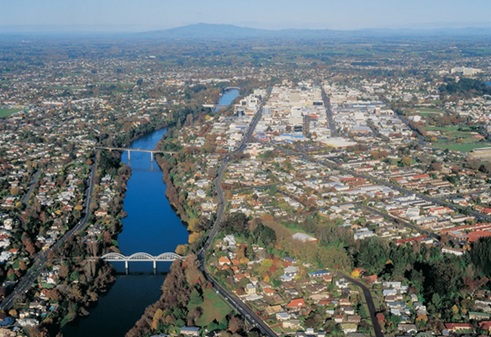
Hamilton, located in the heart of New Zealand’s North Island, is the country’s fourth-largest city and a place that often surprises visitors. It strikes a rare balance, a thriving urban centre wrapped in some of New Zealand’s most fertile and scenic countryside, with the mighty Waikato River weaving right through its core.
But moving to a new city requires more than good intentions. Whether you’re planning to live, work, study, raise a family, or retire in Hamilton, understanding what things actually cost and how to budget for them is crucial for settling in smoothly and avoiding any surprises. That’s precisely what this guide is here for.
Overview: Hamilton as a Place to Live
Hamilton, affectionately known to locals as The Tron, is a city that has grown up fast and shows no signs of slowing down. For those planning to settle long-term, finding stable employment is very achievable across most industries. That said, if you are only looking for casual or part-time work, the options, while available, are more limited than in
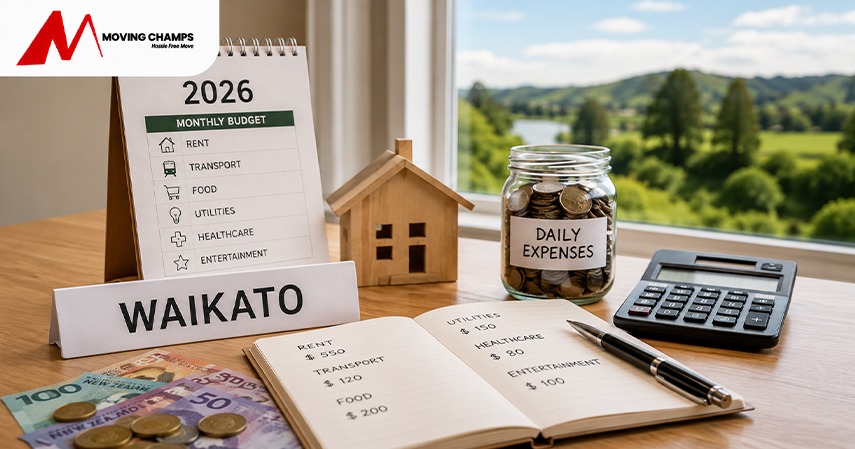
On average, a single person living in Hamilton spends approximately NZD $2,800 to $3,100 per month, including rent. Those who are not paying rent, such as people living with family or in employer-provided accommodation, typically spend around NZD $900 to $1,100 per month on everything else. Families naturally spend more, particularly once childcare, schooling, and a larger home are factored in.
What makes Hamilton particularly appealing is the balance it strikes. It is not the cheapest city in New Zealand, but it offers far more than the cities that are. Career growth, quality schools, a real community, and world-class nature at your doorstep – Hamilton offers everything a city should at a price that doesn’t punish you for choosing it, especially for people using Hamilton moving services while relocating to the city.
1. Housing and Rent in Hamilton
For most people moving to Hamilton, accommodation is the single largest monthly expense. Prices vary based on property type, location, whether you’re sharing or renting solo, and how close you need to be to the CBD or University of Waikato, which is why many people compare different Hamilton moving services before relocating.
| Property Rent Prices | Monthly Estimate [NZD] |
| Room in a Shared House | $780-$1,520 |
| 1-Bedroom Apartment/Flat | $1,820 – $2,080 |
| 2-Bedroom House/Townhouse | $2,380-$2,640 |
| 3-Bedroom Family Home | $2,950-$3,250 |
| 4+ Bedroom Family Home | $3,680+ |
| Student Accommodation [on-campus] | $950-$1,730 |
Which Suburb Should You Rent In?
- North Hamilton (Rototuna, Flagstaff, Huntington): Modern, family-friendly, and home to Hamilton’s top-decile schools. Demand for 3–4 bedroom homes here is high, and rents typically sit 10–15% above the city average. Worth it if school zones matter to you.
- West Hamilton (Dinsdale, Nawton, Melville): Established, affordable, and practical. Offers some of the most competitive rental prices in the city, ideal for young families, first-time renters, and anyone wanting to keep housing costs manageable.
Best Platforms to Find Rentals in Hamilton
- Homes.co.nz: Suburb-level pricing data and listing alerts
- Realestate.co.nz: Wider view of available rentals and market trends
- Hamilton Facebook Flatting Groups: Fast-moving leads for shared accommodation and advice from locals, including recommendations for moving companies hamilton nz, trusted hamilton movers, and affordable relocation options.
- Sorted.org.nz: Government-backed budgeting tools and renter financial advice
2. Household Utility Bills in Hamilton
Once rent is sorted, utilities are your next recurring expense. Hamilton’s climate brings warm summers and chilly winters, so heating costs from June to August can surprise newcomers. Here’s what to budget for:
| Utility | Estimated Monthly Cost [NZD] |
| Electricity and Heating | $120-$260 |
| Water | $15-$30 |
| Internet [unlimited broadband] | $60-$100 |
| Mobile Phone Plan | $30-$70 |
| Total Estimate | $225 – $460/month |
Tips to keep utility bills down:
- Choose a flat with a heat pump — they’re far more efficient than plug-in heaters
- Unplug devices at the wall when not in use
- Compare power providers using Powerswitch.org.nz before you sign up
- Bundle your internet and mobile plan for discounts from providers like Spark, Vodafone, or 2degrees
3. Groceries and Food Costs in Hamilton
Nestled deep in the Waikato, Hamilton rises from New Zealand’s most fertile farming land. That means access to fresh, local produce at competitive prices, which is especially helpful for families relocating with house movers Hamilton and adjusting to a new monthly budget. Supermarket options include Pak’nSave (cheapest), Countdown/Woolworths (mid-range), and New World (premium). Weekend farmers’ markets are also a wonderful way to buy seasonal fruit and vegetables directly from growers.
| Item | Price Range [NZD] |
| Milk [1 L] | $1.60 – $4.60 |
| Bread [500g loaf] | $1.90 – $6.60 |
| Eggs [12 pack] | $6.00 – $8.80 |
| Chicken breast | $9.00 – $20.00 |
| Apples [1kg] | $ 2.70 – $ 6.30 |
| Water [1.5 bottles] | $1.50 – $ 2.20 |
| Monthly Groceries [single person] | $400 – $700 |

Eating Out in Hamilton
- Casual Café Meal: NZD $15 – $25 per person
- Mid-Range Restaurant: NZD $25 – $45 per person
- Coffee: NZD $5 – $8
- Takeaway Meal: NZD $12 – $20
How to Keep Your Food Costs Down in Hamilton?
- Shop at Pak’nSave for Pantry Staples: The savings over New World or Countdown are consistent and add up to hundreds of dollars annually.
- Visit the Hamilton Farmers’ Market on Sundays: For fresh produce that often undercuts supermarket prices – particularly for fruit, vegetables, and eggs.
- Meal Plan Weekly: Buying only what you’ll use eliminates waste and prevents impulse spending—easily saving NZD $30–$60/month.
- Use Everyday Rewards (Countdown) and Clubcard (New World): Both loyalty programmes offer real discounts and fuel vouchers over time.
- Batch Cook and Freeze Meals: Curries, soups, and stews cooked in bulk cost a fraction per serving of cooking them fresh daily.
- Choose Store-Brand Staples: Supermarket own-brands for pasta, rice, oils, and canned goods are almost always equal in quality at significantly lower prices.
4. Transport Costs in Hamilton
Hamilton is a car-friendly city — much of it was built around the private vehicle, and for some routes, public transport isn’t always the most convenient option. That means the Waikato Regional Council bus network has improved significantly, and cycling is popular for shorter trips, especially for people relocating with the help of moving companies Hamilton nz.
| Transport Type | Cost [NZD] |
| One-Way Bus Ticket | $2-$4 |
| Monthly Bus Pass | $48\month |
| Taxi/Rideshare [short trip] | $15-$35 |
| City Centre Parking [Per day] | $10-$20 |
Transportation Saving Tips
- Always Use a Bee Card on Busit: Every fare is cheaper than paying cash, and the card pays for itself within the first week.
- Cycle for Short Central Trips: Hamilton’s flat terrain and growing bike path network make this practical for CBD-area residents.
- Service Your Vehicle on Schedule: Regular maintenance prevents expensive surprise repairs that always seem to happen at the worst time.
- Combine Errands Into One Trip: Planning your weekly driving routes efficiently can cut 10–15% off your monthly fuel spend.
5. Healthcare in Hamilton
New Zealand residents and eligible visa holders have access to publicly funded healthcare, which covers GP visits (at reduced cost), hospital care, and accident treatment through ACC. Hamilton is home to Waikato Hospital — the main regional hospital for the central North Island — so specialist services are well-represented locally.
| Services | Typical Cost [NZD] |
| GP VISIT [Community service card holder] | $0-$19.50 |
| GP VISIT [Standard adult] | $30-$60 |
| Prescription Medication | $5 per item [subsidised] |
| Pharmacy/Cold and Flu Medications | $7-$20 |
| Private Health Insurance | $50-$150+ |
| Dental Check-Up [adults, no subsidy] | $80 – $150 |
Enrolling with a local GP as soon as you arrive is strongly recommended; it ensures lower-cost access to primary care and makes it easier to be referred to specialists when needed.
6. Education & Childcare in Hamilton
For families relocating to Hamilton, education and childcare are among the most significant budget considerations. Hamilton has a well-regarded network of schools and early childhood services at every price point, attracting many new residents who rely on experienced Hamilton movers during relocation.
Public Schools
Hamilton’s state schools provide free education from Year 1 through Year 13. Families should still budget for:
- Stationery, Uniforms, and Sports Gear: NZD $300–$700/year per child
- School Trips and Activity Fees: NZD $100–$400/year, depending on year level
- Voluntary School Donations: Typically NZD $100–$300/year (not compulsory but commonly requested)
Well-regarded state schools near central Hamilton include Hillcrest High School, Hamilton Boys’ High School, and Hamilton Girls’ High School.
Private and Integrated Schools
- State-Integrated Schools (special character fees): NZD $500–$2,000/year
- Full Private Schools: NZD $8,000–$20,000+/year in tuition
Early Childhood Education (ECE) & Childcare
All children aged 3–5 are entitled to 20 hours of free ECE per week at approved providers in New Zealand — one of the most valuable family benefits in the country and one that many newcomers underutilise.
- Childcare For Under-3s (full-time): NZD $280–$420/week before subsidies
- Childcare For 3–5 Year-Olds (after 20 free hours): NZD $80–$200/week top-up depending on hours used
- After-School Care: NZD $20–$40/day
Tips to Reduce Education and Childcare Costs
- Apply for the Childcare Subsidy: Through Work and Income New Zealand — income-based support that can meaningfully reduce your weekly out-of-pocket childcare expenses.
- Use All 20 Hours of Free ECE: Choose an approved centre (most qualify) and ensure your child is enrolled before their third birthday.
- Enrol in ECE Centres Early: Hamilton’s best-rated providers carry waitlists — getting on them 6–12 months ahead is not unusual.
- Access Community Resources: Hamilton City Libraries offer free holiday programmes, reading groups, and activity sessions that are genuinely excellent and completely free.
7. The Job Market in Hamilton
Hamilton’s economy has diversified well beyond its agricultural roots. As the economic heart of the Waikato region and New Zealand’s fourth-largest city, it offers strong employment across several growing sectors, attracting new residents and increasing demand for moving companies hamilton nz.
Key Industries Driving Hamilton’s Job Market in 2026
- Agri-Tech and Primary Industries: The backbone of the Waikato regional economy, with growing investment in food technology.
- Healthcare and Social Services: Waikato Hospital is one of the city’s largest employers, with ongoing expansion.
- Education: The University of Waikato and Wintec together employ thousands and drive significant student-related economic activity.
- Construction and Infrastructure: Hamilton’s sustained urban growth creates consistent demand across trades and project management.
- Logistics and Transport: Hamilton’s central North Island location makes it a natural distribution hub.
- Technology and Professional Services: A growing sector, particularly for remote and hybrid workers relocating from Auckland, many of whom search for reliable house movers Hamilton before making the move.
7. Entertainment and Leisure
Don’t let Hamilton’s modest reputation fool you. The city runs deeper than most outsiders assume. Start with the Hamilton Gardens – a world-class attraction that charges nothing at the gate. Follow the Waikato River trails on a Sunday morning, catch a show at Founders Theatre or a major event at Claudelands, then wind down in one of the CBD’s many cafés or bars. Hamilton’s social life isn’t loud about itself. It just quietly delivers, weekend after weekend.
| Activity | Typical Costs [NZD] |
| Cinema Ticket | $15-$22 |
| Gym Membership | $30-$60 |
| Hamilton Gardens | Free |
| Wikato River Trails | Free |
| Sports Club Membership [annual] | $100-$400+ |
| Streaming Services [Netflix, Spotify, etc.] | $15-$25\month |
For families, students, and budget-conscious newcomers, Hamilton’s parks, river walks, and community events provide a genuinely rich social life without demanding a big spend.
Cost of Living Comparison: Hamilton vs Major New Zealand Cities
If you’re trying to figure out where your money stretches furthest in New Zealand, comparing cities side by side makes the picture a lot clearer. Here’s the honest breakdown:
1. Auckland — The Most Expensive
No surprises here. Auckland is New Zealand’s biggest city, and its price tag reflects that. A one-bedroom apartment will set you back $500 to $700 per week, and once you add up rent, food, transport, and everything else, a single person is typically spending $3,200 to $4,500 every month. It’s where the most jobs are, but you pay for the privilege of being there.
2. Hamilton — The Sweet Spot
This is where Hamilton earns its reputation. Weekly rent for a one-bedroom flat runs $420 to $480, and total monthly living costs typically come in around $2,800 to $3,100. You get a real city, with good jobs, a university, cafés, and growing infrastructure, without the Auckland or Wellington price shock. For students, young professionals, and families, Hamilton genuinely delivers value.
3. Wellington — Expensive, But Slightly More Forgiving
Wellington is a step down from Auckland, but not by a giant margin. Weekly rents sit between $480 and $650, and total monthly costs land around $3,000 to $4,100. It’s a compact, vibrant city, but your budget still needs to be solid to live comfortably there.
Practical Tips to Save Money in Hamilton
Living comfortably in Hamilton doesn’t require a high income; it requires smart planning. Here are the most effective ways to keep your costs down without sacrificing quality of life:
- Consider flatting or shared accommodation to cut rent significantly — Hillcrest, Dinsdale, and Nawton all have strong flatting communities, especially popular among newcomers using moving companies hamilton nz for relocation. Check out the top moving companies in New Zealand to find the right mover for you.
- Use Pak’nSave for groceries and shop the weekly specials — it’s consistently the cheapest major supermarket in Hamilton.
- Buy a bike for short-distance commuting — Hamilton’s flat terrain makes cycling practical, and it’s completely free once you own the bike.
- Use the Waikato Regional Council bus network for longer commutes — a monthly pass at ~$48 is excellent value.
- Compare power providers before signing up — use Powerswitch.org.nz to find the best deal for your suburb.
- Bundle your broadband and mobile plan for meaningful discounts with Spark, Vodafone, or 2degrees.
- Take advantage of Hamilton’s free attractions — the Hamilton Gardens, river trails, and community events are genuinely world-class and cost nothing.
- Enrol with a local GP immediately — it significantly reduces the cost of doctor visits through community-rated fees.
Read More: Moving Soon? These 20 Packing Hacks Will Save You Time
Conclusion
Hamilton is one of New Zealand’s most underrated cities, and when it comes to cost of living, it’s one of the country’s smartest choices. It’s more affordable than Auckland and Wellington, well-connected, growing fast, and packed with lifestyle value that doesn’t demand a huge monthly spend, making it a popular destination for people searching for Hamilton moving services before relocating.
The key to thriving financially in Hamilton is knowing your numbers before you arrive. With rent at $420–$480 per week for a one-bedroom flat, utilities around $225–$460 per month, and a strong local produce scene keeping grocery bills manageable, a single person can live well on $2,800–$3,000 per month. Families will need more, but the city’s range of suburbs, school options, and community resources make it genuinely family-friendly at a realistic budget.
Plan well, choose your suburb carefully, and Hamilton will reward you with a quality of life that bigger, pricier cities simply can’t match.
Planning a move to Hamilton? Moving Champs in New Zealand provides professional, stress-free moving services across New Zealand. From careful packing to safe delivery, our team handles everything so you can focus on your fresh start. Get a free quote today for reliable Hamilton moving services.
Frequently Asked Questions
Which Hamilton suburb offers the best value for renters?
It depends on what you need. If affordability is the priority, West Hamilton suburbs like Dinsdale, Nawton, and Melville have some of the most competitive rents in the city — great for first-time renters and young families. If school zones matter, North Hamilton (Rototuna, Flagstaff, Huntington) is worth the extra 10–15% on rent — it’s modern, well-serviced, and close to Hamilton’s top-decile schools. Central suburbs offer convenience but at a mid-range price.
How much should I budget for food and groceries in Hamilton?
A single person typically spends $400–$700/month on groceries, depending on how and where you shop. Pak’nSave is the cheapest major supermarket and should be your go-to for staples. The Hamilton Farmers’ Market on Sundays is a brilliant way to buy fresh, seasonal produce directly from growers, often cheaper than supermarkets and genuinely excellent quality.
Is it easy to find work in Hamilton, and which industries are hiring?
Hamilton today is a city that outgrows its reputation – a diverse, forward-moving economy. In 2026, strong hiring is happening across healthcare (Waikato Hospital is one of the city’s biggest employers), education (University of Waikato and Wintec), construction and trades, logistics, and a growing technology and professional services sector — particularly for remote and hybrid workers relocating from Auckland. For stable, full-time work, Hamilton offers solid options across most industries.
What is there to do in Hamilton, and is it a good place to enjoy life on a budget?
More than most people expect, honestly. The Hamilton Gardens are world-class and completely free. The Waikato River trails are excellent for walking and cycling on weekends. Claudelands hosts major events, and the CBD has a strong café and bar scene. A cinema ticket runs $15–$22, a gym membership $30–$60/month, and streaming services $15–$25/month. For families and students, Hamilton City Libraries also offer free holiday programmes and community events that are genuinely excellent. You won’t feel like you’re missing out.
How does the cost of living in Hamilton compare to Auckland and Wellington?
Hamilton is noticeably more affordable than both. In Auckland, a single person typically spends $3,200–$4,500/month. In Wellington, it’s $3,000–$4,100/month. In Hamilton, you’re looking at $2,800–$3,100/month, and you still get a real city with good jobs, a university, quality schools, and a growing social scene. For the lifestyle you get relative to what you pay, Hamilton is one of the smartest choices in New Zealand. Many people describe it as Auckland’s value, without Auckland’s price tag or commute.
What will my power and internet bills look like each month?
Budget roughly $225–$460/month for all utilities combined. That breaks down to around $120–$260 for electricity and heating (higher in winter — June to August can catch newcomers off-guard), $60–$100 for unlimited broadband, $30–$70 for a mobile plan, and just $15–$30 for water.