Moving to Wellington? Here’s What the Cost of Living Looks Like
Planning to move to Wellington but don’t know where to begin? You’re probably wondering how much it will cost to rent an apartment, pay your bills, get around the city, or even just buy groceries. The truth is, many newcomers have no clear idea what their monthly budget should look like when they first arrive. Wellington is an amazing city to live in—full of culture, stunning views, and a lively café scene—but the excitement can come with a side of uncertainty. How much should you expect to spend on rent? From electricity bills to public transport and meals out, it’s normal to feel lost without knowing what to expect.
Each year, thousands of people shift to Wellington, including students, young professionals, and families from all over the world. The increase in the number of residents has a significant impact on housing, public services, and living expenses in Wellington, New Zealand. It is now more important than ever to keep careful records of your income and outgoings.

In this guide, we’ll provide you with an easy-to-understand breakdown of Wellington’s cost of living, including the rent you can expect to pay, the total cost of your bills, transportation costs, daily household expenses, and other daily expenses. Once we have finished, you can get a general idea of what the Wellington cost of living is today. That way, you won’t be guessing as to your monthly budget and won’t suddenly find yourself having problems just because they come from some other part of the country!
Cost of Accommodation in Wellington
Rent will likely be the most expensive part of moving, so it’s well worth knowing what to expect:
Average Rent in Wellington Per Month
Apartments Rent:
- 1-Bedroom Flat in the City Centre: NZD 1,900 – 2,300 per month
- 1-Room Apartment Just Outside the City Centre: NZD 1,600 – 1,900 per month
- 2-Bedroom Flat in Central Wellington: NZD 2,800 — 3,500 per month.
- 2-Room Apartment Leaves Wellington for the Outskirts: NZD 2,300 – 3,000 per month
- 3-Bedroom Flat in Central Wellington: NZD 3,500 – 3,700 per month
- 3-Room Apartment on the Edge of Town: NZD 3,200- 3,400/month
Houses for Rent:
- 3-bedroom: NZD 3,200 – 4,500/month
Buying an Apartment in Wellington
If you’re considering purchasing property in Wellington, it’s important to know the price ranges.
- City Centre: The average cost of living in Wellington, New Zealand, is around NZD 9,714 per square meter for an apartment, with prices typically ranging between NZD 8,258 and NZD 20,300 per square meter.
- Outside the City Centre: Apartments are typically priced around NZD 8,084 per square meter, with most ranging between NZD 7,000 and 10,000.

Additional Costs When Buying Property in Wellington
- Legal & Conveyancing Fees: NZD 1,500–3,500 for handling legal paperwork.
- Building & Pest Inspections: NZD 400–1,200 to check for structural or pest issues.
- LIM Report: NZD 300–400 for property details, zoning, and consent history.
- Council Rates: Rates are about NZD 2,572/year (~NZD 213/month) and these vary by property.
- Body Corporate Fees (for Apartments): These cover shared area maintenance and building insurance.
- Home Insurance: Protects your property and depends on value, location, and coverage.
- Moving Costs: Whether relocating into a new home, hiring interstate removalists in Wellington, or using a Man with a van service in Wellington, can range from NZD 750 to NZD 1,000, depending on the distance and volume of belongings.
The Comparison of Town Locations:
- Kelburn/Thorndon: Expensive, because these locations are close to the city centre and universities.
- Johnsonville/Tawa: Cheaper, more family-oriented, and somewhat more distant from town.
Advice on How to Find Rentals:
- Check out listings online at “Trade Me Property” or Realestate.co.nz.
- Consider shared housing or “flatmates wanted” options to save money.
- Visit multiple neighbourhoods to see which area fits your budget and lifestyle.
Choosing Affordable Removalists
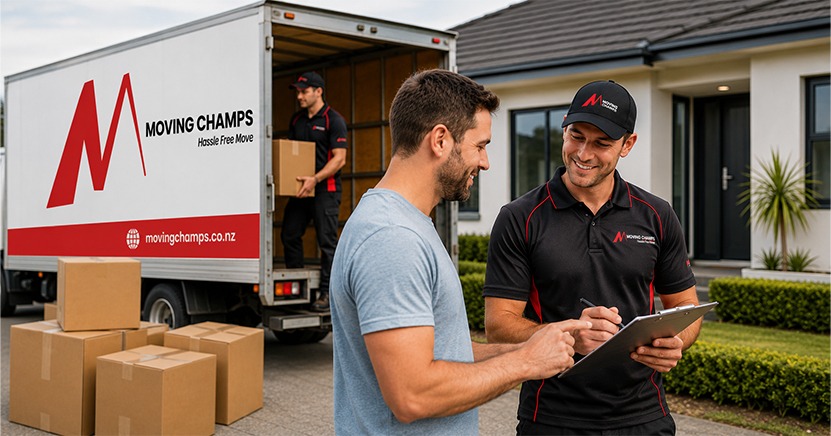
After you’ve made the big decision about where to rent in Wellington, you need to take the next step of actually getting there without breaking your bank or losing all your stuff. Using affordable movers in Wellington will not only save you time and money but also help to ensure that your move goes as smoothly as possible. Moving Champ provides first-class removalist services in Wellington to suit your requirements, whether you’re moving a few items, an apartment, or a whole family home. Our professional crew takes care of packing, moving, and unloading your goods to ensure they are delivered on time and without any damage.
Utilities & Bills
As for newcomers to the city, most have no idea how much water and power each month can cost. The more you know about your utility bill setup at the beginning, the less likely you’ll be surprised with unexpected financial problems later. Monthly charges such as electricity, water, gas, and Internet all depend on how many rooms or home occupants there are and what people do with their daily diet.
- Basic Utilities (Electricity, Heating, Cooling, Water, Trash): For an 85m² apartment, monthly expenses on this category fall around NZ$248.68; while most residents can expect to pay between NZ$141.67 and NZ$408.00 in bills each month, depending on whether they live alone or provide everything for one family of three.
- Mobile Phone Plan: A typical plan with calls and more than 10GB costs some NZ$50.23 per month, while one for most people tends to be in the range between NZ$30.00 and 88.00.
- Internet (60 Mb/s or above, Unlimited Data ) Cable/ADSL: The average monthly cost is NZ$84.71, with most plans between NZ$68.00 and NZ$111.00, depending on provider and package.
Practical Tips for Managing Utilities
- Monitor Electricity Usage: Pay attention to your energy consumption, especially for heating and lighting, which can help to reduce costs every month.
- Consider Bundled Plans: Bundling internet and TV into one package can often save you quite a bit of money over getting them separately.
- Clarify Included Utilities: When you sign a lease, ask the landlord what utilities are included to avoid unexpected expenses.

Hidden Housing Costs in Wellington
When it comes to property in Wellington, the total costs don’t end after paying the rent. There are also council rates, garbage collection bills, and sometimes the cost of maintenance for your house, which could be more than just one month’s expenditure on anything else you can think of.
Practical Tips:
- Save for Reserve Money: Plan to allocate about 5-10% of your rental or estimated costs as a reserve for emergency maintenance or repairs. Do not neglect this in case things get expensive and you do not have to be paid out of money that has already been put aside.
- Check Your Tenancy Agreement: Before signing any contract, make sure to read it over carefully, and under the agreement, there should be no hidden fees such as administration charges, electricity, or gas costs specific to the building.
- Consider Renters’ Insurance: A renters’ insurance policy can protect your valuable items from loss, damage, or theft due to fire.
Transportation Costs
Whether you’re travelling to work in the morning, going to college, or simply seeing the sights, there are a number of different ways to get around Wellington. Thanks to its compact city layout, efficient public transport, and well-maintained roads, Wellington manages traffic effectively, preventing major congestion.
Public Transport
The bus, train, and ferry services are well structured in Wellington. Most people who come to work by bus daily take buses, while trains run to the suburbs and country towns, which are multi-purpose forms of transport.
- One-Way Ticket (local transport): NZ$4.97 (range NZ$3–10)
- Monthly Pass (regular price): NZ$190 (range NZ$140–300)
For first-timers, the monthly pass is usually a better deal if you commute on a regular basis. Buses and trains keep to their timetable, and most routes cross the city centre and suburbs very conveniently.
Taxis & Ride-Sharing
Taxis are easily accessible, although they are more expensive than public transportation. Ride-sharing services such as Uber and Ola operate in Wellington as well.
- Taxi Start (normal tariff): NZ$3.30 (range NZ$3.30–5.00)
- Taxi Per Km (normal tariff): NZ$2.70 (range NZ$2.70–3.50)
- Taxi 1-Hour Waiting: NZ$60 (range NZ$60–100)
Ride-sharing may be convenient for late-night trips or when you are carrying luggage, but for regular commuting, public transport usually works out cheaper.

Driving & Petrol Costs
If you plan on driving, petrol will cost NZ$2.81 per litre (range NZ$2.54–3.00).
Buying a car is a major investment:
- Volkswagen Golf 1.4 (or equivalent new car): NZ$49,990 (range NZ$40,000–55,000)
- Toyota Corolla Sedan 1.6 (or equivalent new car): NZ$41,856 (range NZ$36,990–55,000)
Having a car provides flexibility, particularly if one lives some distance from the city centre. Remember to budget for petrol, parking, and insurance, as these can quickly drain your pocket.
Cycling & Walking
Wellington is pedestrian-friendly, especially around the city centre, with more and more dedicated cycle lanes appearing. Travelling by foot or bike not only saves money but also allows for a healthy and enjoyable way of seeing the city.
Tips for Saving on Transport
- Monthly Pass: If you commute daily, a monthly pass (Metlink 30-Day Bus Passes, ‘Rail PlusBus 30-Day Passes’, ‘GO Wellington Monthly Passes’) might help save transportation costs in large amounts.
- Use Transportation Apps: Check timetables and get real-time traffic updates of your trip on “Metlink App“, Catchy, or Bus++.
- Plan Your Trip: Plan your trips in advance to ensure you have time for discounts and other benefits.
- Travel During Off-Peak Hours: Not only can you save money on travel during off-peak times, but the journey will also be more comfortable.
- Compare Insurance Online: Search online for coverage quotes from various companies, so that you can buy the one that offers the cheapest rates.
- Consider Car-Sharing Services: Using car-sharing or ride-hailing services in Wellington can be more beneficial for occasional trips than owning a car.
Groceries & Food
The cost of groceries and food is also high in relation to other NZ cities, and compared internationally, it’s due to the high standard of living and the quality of items. To help you budget for your monthly grocery spend, we’ve broken down the average cost of basic grocery items, including dairy, bread, fresh fruits and vegetables, as well as meat.
Average Grocery Prices in Wellington
| Category | Item | Price (NZD) | Range (NZD) |
| Dairy & Eggs | Milk (1 gallon) | 11.43 | 7.57–18.17 |
| Eggs (12) | 11.37 | 7.92–13.20 | |
| Cheese (1 lb) | 6.32 | 4.54–9.97 | |
| Meat & Poultry | Chicken fillets (1 lb) | 8.25 | 4.54–13.15 |
| Beef (1 lb) | 10.71 | 6.80–15.79 | |
| Fruits | Apples (1 lb) | 2.35 | 1.36–2.72 |
| Bananas (1 lb) | 1.85 | 1.58–2.72 | |
| Oranges (1 lb) | 2.42 | 1.36–3.63 | |
| Vegetables | Tomatoes (1 lb) | 4.20 | 1.81–5.90 |
| Potatoes (1 lb) | 1.72 | 0.91–2.49 | |
| Onions (1 lb) | 1.51 | 0.91–2.49 | |
| Lettuce (1 head) | 4.23 | 2.99–6.00 | |
| Other Essentials | Bread (1 lb loaf) | 3.03 | 2.18–4.00 |
| Rice (1 lb) | 1.58 | 0.91–2.20 | |
| Water (1.5 L) | 2.03 | 1.00–4.00 | |
| Wine (mid-range bottle) | 16 | 10–25 | |
| Restaurants | Meal, inexpensive restaurant | 25 | 20–45 |
| Meal for 2, mid-range, 3-course | 140 | 100–160 | |
| Fast food combo (e.g., McMeal) | 15 | 13–15 |
Saving Tips:
- Shop at local markets like Harbourside Market, Newtown Fruit and Vegetable Market, and Mt. Victoria Food Market for better deals.
- Buy seasonal fruits and vegetables for lower costs.
- Use supermarket loyalty cards for discounts.

Eating Out Additional Pointers:
- Look for lunch specials or happy hours.
- Try food trucks and small local cafes for cheaper meals.
- Limit dining out to special occasions to save money.
Public Healthcare in Wellington
High-quality healthcare is offered in New Zealand, including well-qualified doctors, modern hospitals with advanced Western technology, and professional emergency services. It will not let anyone suffer untreated; the government’s health scheme provides for most accidental injuries. But the health care system in New Zealand is not like what you may experience in other countries; it’s actually a mix of both public and private systems, which can be confusing sometimes. The following gives a brief of what is available through the public hospital service. In New Zealand, the public system funds basic services to those who qualify:
Public Hospitals
- Visits to general practitioners (GPs)
- Public patient in hospital
- Tests and scans (e.g., X-rays, pathology) are used to diagnose the condition
- Some prescription medicines
Note: Residency status is the determining factor behind eligibility, including citizens, permanent residents, and some visa holders.

Private Health Insurance
While not mandatory, it is recommended that individuals consider private health insurance to access coverage beyond what the public healthcare system provides.
- Dental care
- AHP, such as physiotherapy
- Elective surgeries
- Private hospital bed charges and specialist consultations
Benefits: Lower wait times, choice of providers, and more coverage.
New Zealand’s public health insurance provides accident cover through the Accident Compensation Corporation (ACC). It is a “no-fault” scheme, financing treatment costs irrespective of what caused the accident. If you inform your doctor or receptionist that your visit is related to an accident, consultation fees may be reduced. When treatment costs exceed ACC coverage, a small co-payment is charged.
COST: Premiums depend on provider, coverage, and age; many people have some combination of public and private coverage to maximise benefits.
Education & Childcare
While raising children is rewarding, it also means a significant financial commitment. The bottom line is that in New Zealand, knowing the average costs of education, medical care, and living expenses can help future parents plan comfortably for their children—and most of all, make up their own minds. Here’s an overview of the cost of raising children in 2026.
- Daycare: Although actual fees for childcare vary across the country, you can reduce the annual cost of care from NZ$4,850 to fit your particular situation by choosing how much maternity leave you’ll take. The annual cost of childcare for those who return to work at the end of paid parental leave is approximately NZ$4,240.
- Public schools: There is therefore no mandatory tuition fee; however, schools ask parents for donations that range from NZ$100 to NZ$500 a year. Some schools may also charge for specific activities, with combined annual costs of around NZ$200-300.
- Private School: If you send your kids to a private primary school, tuition fees range from NZ$5,000 to NZ$8,000 per year, and only increase after that, when they reach higher school.
Tips to Reduce the Education Burden in New Zealand
Scholarships in Wellington
- St. Mark’s School: Scholarships for Years 3–8, especially for Maori and Pasifika; based on academic performance, Achievement in sports and the arts, and Community Service.
- Scots College: Scholarships for students who show excellence, Middle School (Year 7-10) Scholarships and Senior School (Year 11-13) Scholarships applications for 2026 Scholarships are now closed.
- Catholic Foundation: Scholarships for last-year high school students from the Wellington Archdiocese with ambitions at tertiary education.

Childcare Subsidies in Wellington
- 20 Hours ECE: Children aged 3–5 attending licensed ECE services will receive 20 hours/week of free education.
- Childcare Subsidy: To help families with their childcare costs in respect of children under 5 (or with a Disability Allowance up to age 6) and paid directly to providers.
- Guaranteed Childcare Assistance Payment (GCAP): For parents engaged in education, training, or work-based programs, covers up to $6.38/hour of up to 50 hours/week.
Salaries in Wellington
Wellington’s average household income rose from NZD 141,233 in 2023 to NZD 148,474 by late 2024, which exceeds the national household average of $132,588. In the meantime, the mean average personal income for someone in a job sits at $83,095 per annum ($40 an hour).
Is New Zealand Expensive?
Yes, the cost of living in New Zealand is more expensive than in most nations.. New Zealand features in the top 20 most expensive countries for cost of living, according to 2024 data from Numbeo. Yet, it’s still cheaper than countries such as Switzerland, Singapore, the U.S. and Australia.
Also Read – 7 Reasons Moving to Wellington Is a Smart Choice
Conclusion
Relocating to Wellington, New Zealand, isn’t just about finding a place to live – it’s about becoming part of a new lifestyle in an exciting but at the same time most easy-going city. Here, rent, bills, transport, and day-to-day costs might seem overwhelming initially, but knowing the costs can help you plan more realistically.
Even the advanced basic planning, such as choosing the best neighbourhood for your family, balancing your budget for groceries, and finding a reliable removalist company in Wellington like Moving Champ, can make your move hassle-free in the city.
With a bit of planning and knowledge of the city’s cost of living, you will get to enjoy everything that Wellington has to offer– from its well infrastructure, picturesque waterfronts, and robust arts scene to the unique language and enrichment that awaits at every twist in the road. Relocating here doesn’t need to be a stressful mess, not when you can make a smart plan and budget in advance for the latest stage of your life.